|
|
|
|
|
5 Things the First Weekend Proved About the NCAA Tournament
|
|
The first weekend of March Madness delivered chaos.
|
Buzzer beaters. Upsets. Double digit seeds making real runs. Everything we expect from this tournament showed up. |
But once you step back, a few things look different this year. Where games are being decided, what actually translates in March, and how teams are built are all starting to shift. |
Below are five observations from the first weekend that stood out the most. If you're trying to understand what matters the rest of the way, start here. |
|
|
|
|
|
|
|
Playing NCAA Survivor? Things Are About to Get Tough
|
|
If you made it out of the First Weekend, congratulations.
|
|
But this is where the strategy really starts to matter.
|
|
The best pick today is not always the best pick for your overall path, and one mistake can ruin your options later in the tournament.
|
|
Our NCAA Survivor Tool handles that for you, grading every pick, showing win odds and popularity, and flagging conflicts before they cost you.
|
|
|
|
|
|
|
|
|
|
1. The Round of 32 Is Now the Main Event
|
If the first weekend proved anything, it’s this. The Round of 32 is no longer a bridge to the Sweet 16. It’s the main event. |
|
Game after game delivered high-end drama, elite shotmaking, and outcomes that flipped in seconds.
|
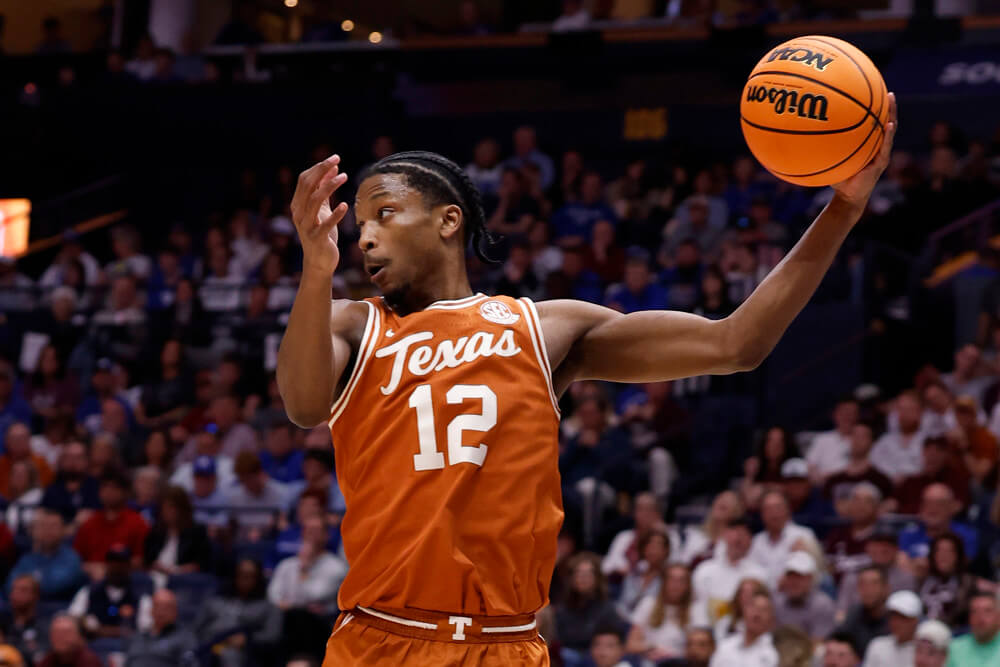
- No. 11 seed Texas over No. 3 seed Gonzaga on a game-winning corner three from Camden Heide, his first points of the game.
- No. 4 seed Nebraska over No. 5 seed Vanderbilt in what might be the best game of the entire opening weekend (we gave it a 99.1 Watchability Score in Friday’s newsletter, and that may have actually undersold it). Take a look.
- No. 5 seed St John’s over No. 4 seed Kansas on a buzzer beater, again from a player scoring his first points.
- No. 9 seed Iowa knocking off No. 1 seed Florida in one of the most impressive Round of 32 wins we’ve seen in years.
|
|
The margins are razor thin at this stage. Possessions matter more. Variance shows up faster. And the difference between advancing and going home often comes down to a single shot.
|
|
|
|
|
|
|
|
2. Coaching and Shotmaking Can Break the Model
|
|
Creative game plans from elite coaches and high level shotmaking can completely negate statistical based logic.
|
Iowa was ranked 121st in the country in total rebound rate heading into the tournament, grabbing 51.1% of all available rebounds throughout the season.
They were ranked 164th in offensive rebound rate at 28.8%. |
|
They played No. 1 seed Florida in the second round, who ranked 1st in total rebound rate in the nation at 59.7% and 2nd in offensive rebound rate, grabbing 44.2% of their own misses.
|
Iowa out-rebounded Florida 24 to 22.
They grabbed 8 offensive rebounds and held Florida to 5, winning the game on a Folguieras corner 3 with 4 seconds left. |
|
Even crazier, Florida was ranked 8th in the nation in opponent two-point field goal percentage, allowing just 45.1% inside the arc this season.
|
Iowa shot 70% from two.
No team had done that against Todd Golden’s Gators in his 144-game career in Gainesville. |
|
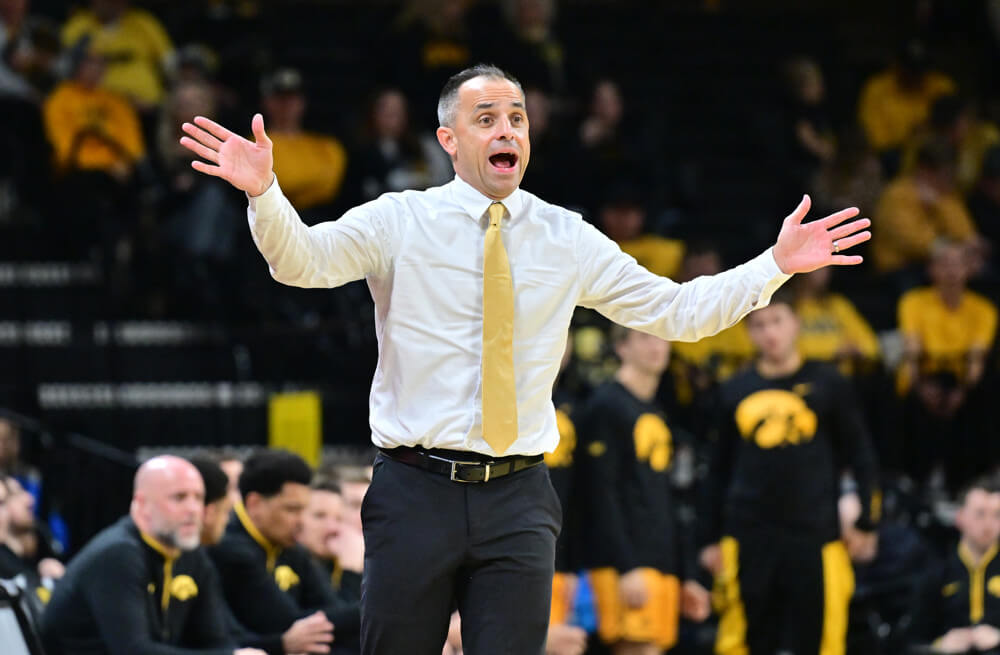
Ben McCollum attacked Florida’s bigs with a high level of physicality and made sure his bigs were one pivot away from getting into proper box out position at all times. Massive round of applause. Winners win.
|
|
|
|
|
|
|
|
3. You Need Money to Win in March Now
|
And I don’t mean the team with more money will win.
I mean there’s now a real financial threshold, and if you are below it, it’s going to be a lot harder to win. |
|
VCU and High Point were the only double digit seed mid majors to win a game this year, which on one hand is awesome considering they beat UNC and Wisconsin.
|
But under the new revenue sharing system, VCU spent around $5 million on their roster this season, which is far more than most mid-major programs.
High Point spent $4.13 million, significantly less than Wisconsin’s $11.9 million, but still well above the roster spending threshold needed to compete. |
The good news is there’s nothing stopping mid-major programs from spending more if they want to.
The bad news is most schools aren’t going to increase their basketball budget 20x just to potentially win a first round game. |
It’s not just mid majors either.
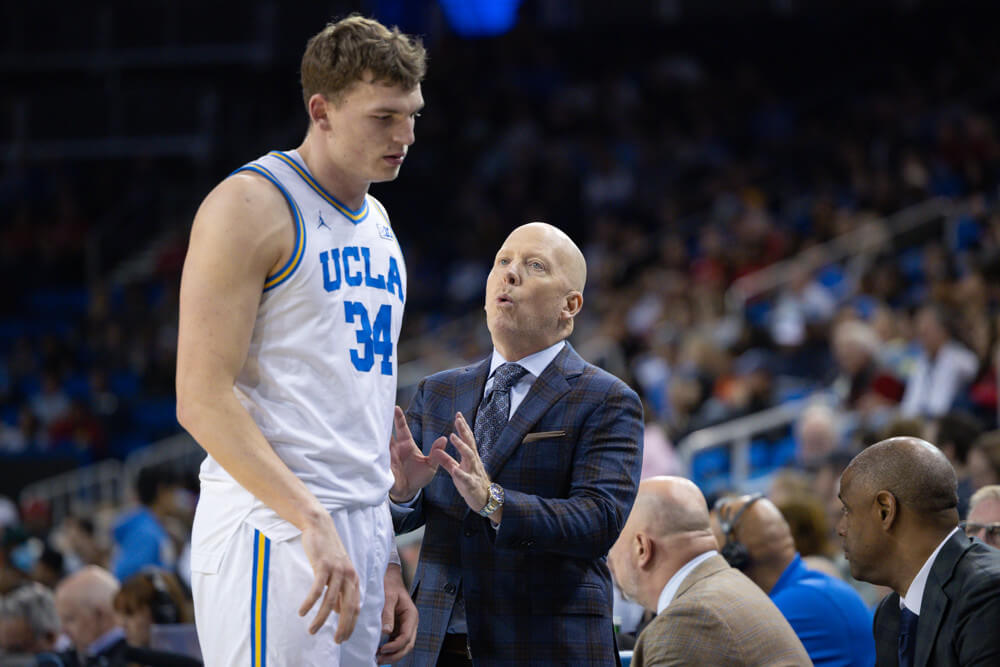
After UCLA lost in the Round of 32, Mick Cronin was asked what needs to change. His answer: “I’d like about 5 more million.” |
Coaches across the country understand it.
If you want to build the team you actually want, you need more money than your competitors. It’s insane, and the sport is already out of hand when it comes to paying 18 year olds millions, but it’s the reality. |
|
|
|
|
|
|
|
4. Alabama's Style Is No Longer an Outlier in March
|
|
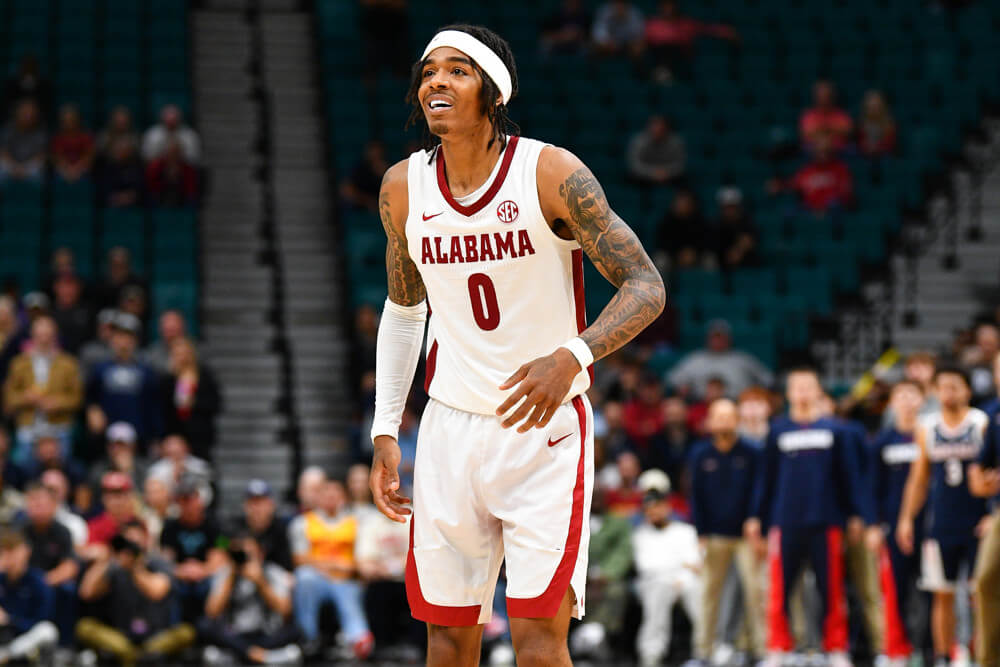
Alabama destroyed Texas Tech 90-65 in a matchup between two of the most three-point heavy teams in the country.
|
|
Alabama shot 19-42 from three and just 11-26 from two.
|
|
It’s just the third time in tournament history that a team has made 19 threes in a game. The others were Loyola Marymount in the 90s with 21, and Alabama last year when they made 25 in a win over BYU.
|
|
Outside of a loss to Notre Dame in the first round back in 2022, Nate Oats and Alabama are now 10-0 in opening weekend games.
|
The notable realization here is that this methodology is being adopted across the country.
Mid-major teams that can’t rebound are realizing the only way to win in March is to play like Alabama. |
|
Saint Louis was the closest team in the tournament to Alabama in terms of style, and while there is still a talent gap compared to teams like Michigan, what the Billikens did to Georgia in Round 1 is a sign of what’s coming for future mid-major runs.
|
|
|
|
|
|
|
|
5. The ACC Still Isn’t Back
|
|
After getting just 4 teams in the tournament in 2025, and 5 in 2024, 2023, and 2022, the ACC surged back in 2026 with 8+ teams for the first time since 2018.
|
The problem is the results didn’t follow.
The only ACC team still standing heading into the Sweet 16 is No. 1 overall seed Duke. |
- UVA was upset by a Tennessee team that TeamRankings graded higher.
- UNC blew a huge lead against VCU.
- Louisville nearly did the same against South Florida, then lost to Michigan State.
- Miami hung with Purdue but still lost by double digits.
- Clemson lost to Iowa in a sicko game.
- NC State and SMU didn’t even make it out of the First Four.
|
|
Meanwhile, the Big East still has two teams alive. It’s not crazy to argue the ACC is the fifth-best power conference right now.
|
The data was there all along.
According to TeamRankings strength of schedule metrics, California, Georgia Tech, and Boston College had the three easiest conference schedules in the country. Louisville had the toughest ACC slate and still ranked just 34th nationally.
The ACC boosted its profile with strong non-conference results, but the league schedule didn’t hold up. These teams weren’t tested in January and February, and they weren’t ready for March. |
|
|
|
|
|
|
|
Want to See Our NCAA Tournament Best Bets?
|
|
After going +9.10 units during conference tournaments, we are breaking down our favorite game picks and futures for the NCAA Tournament.
|
|
This includes spots where the market may be off, potential upset angles, and teams with paths to outperform expectations.
|
|
|
|
|
|
|
|
|
|
|
|
|
The Best Way to Follow College Hoops
|
|
|
College basketball is noisy. Even if you watch every game, perception and media narratives rarely line up with what the numbers are showing.
This newsletter breaks down the season through the data, highlighting where teams may be stronger or weaker than they appear so you have a clearer view before March. |
|
|
|
|
|
|
|
|